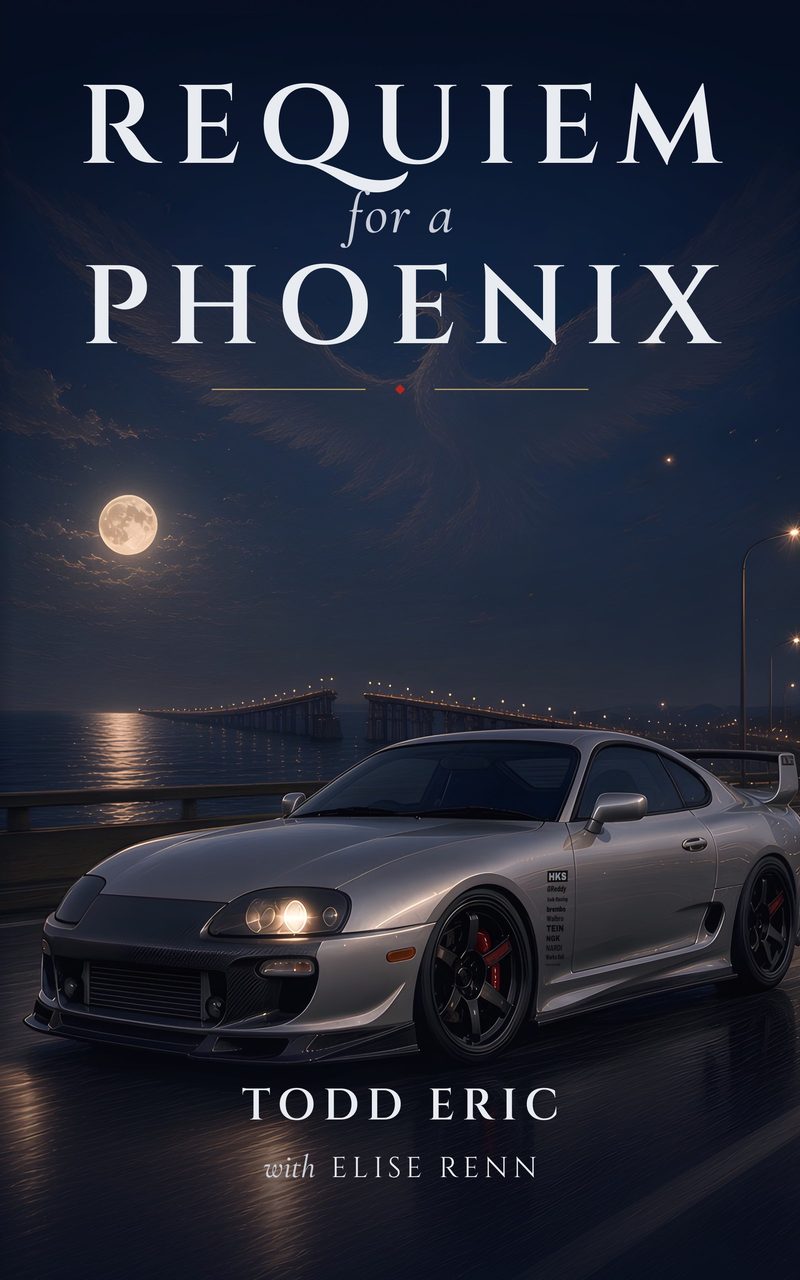
The novel
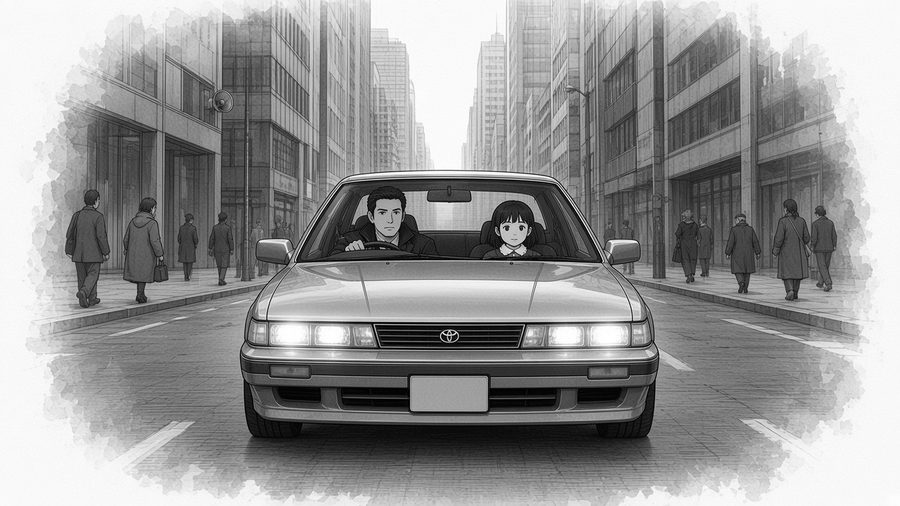
But the cars are not the story. I have thought about it a long time, and I am sure of it now. The cars were only the road the story ran on. The story was the girl.
Tokyo, 2032. The island the regime calls Hinomoto has gone grey: silent electric pods that never crash and never sing, ration papers, and a pass for every journey. The night-road racers of the old days are remembered the way the samurai once were, as a lost and holy order.
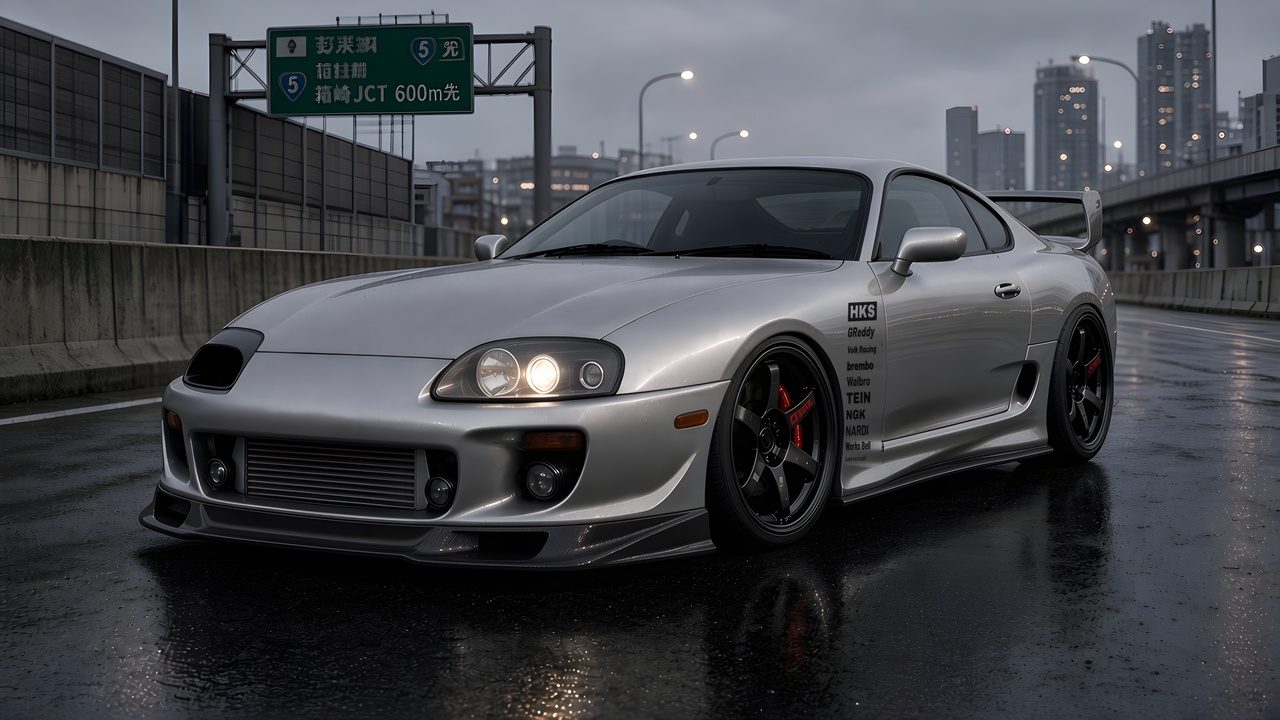
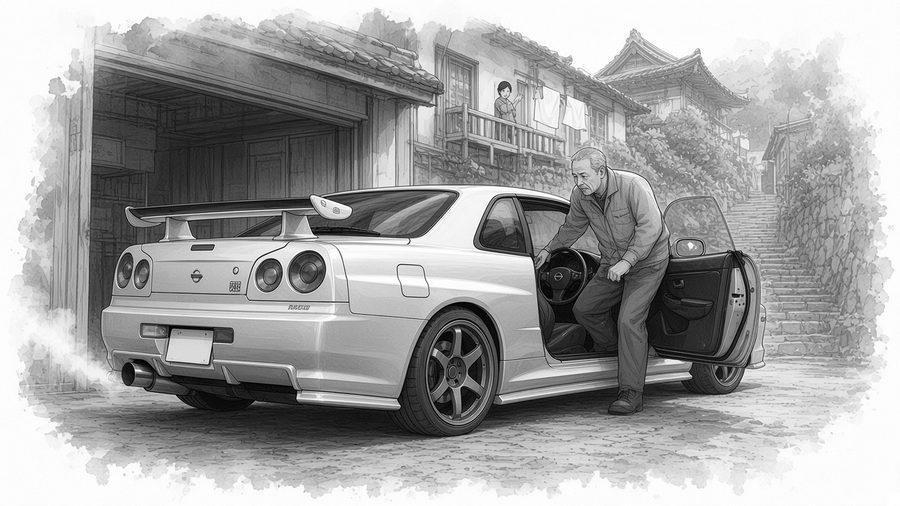
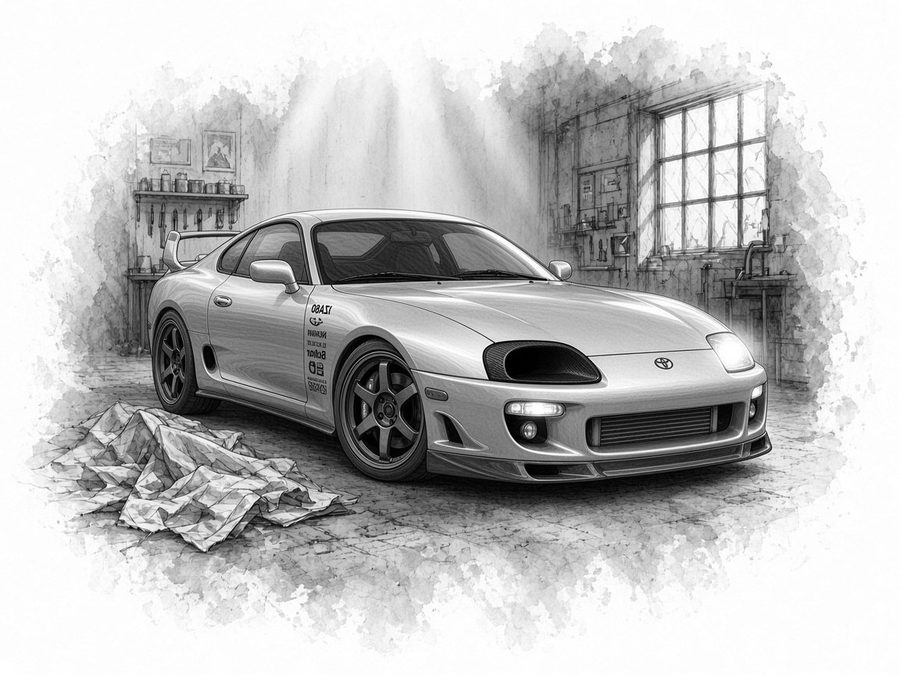
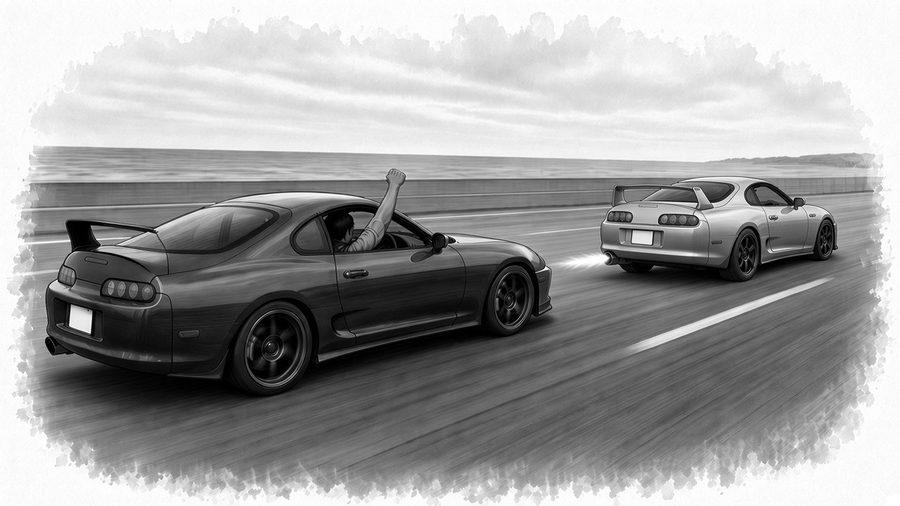
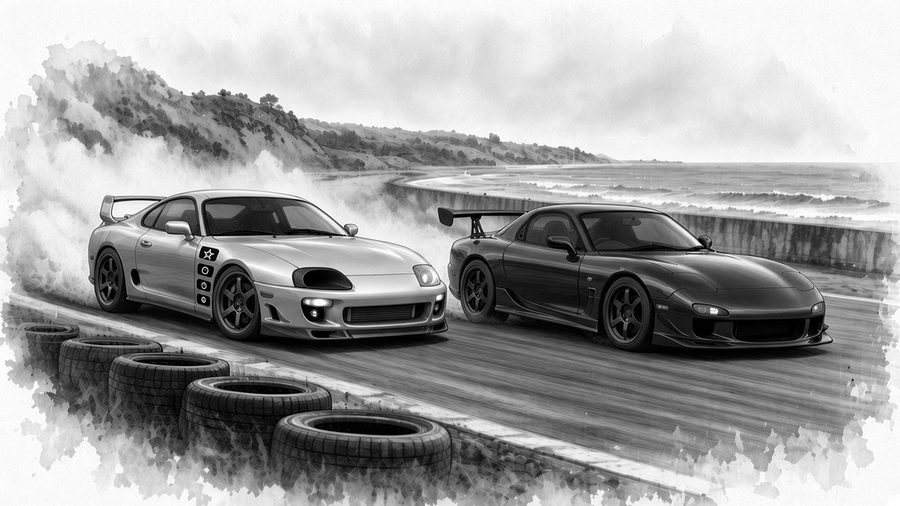
Kaneda Ren is eighteen, a mechanic with uncanny hands and a born driver. He is the grandson of a legend whose silver Supra, Phoenix, was never beaten on the bay, and then vanished.
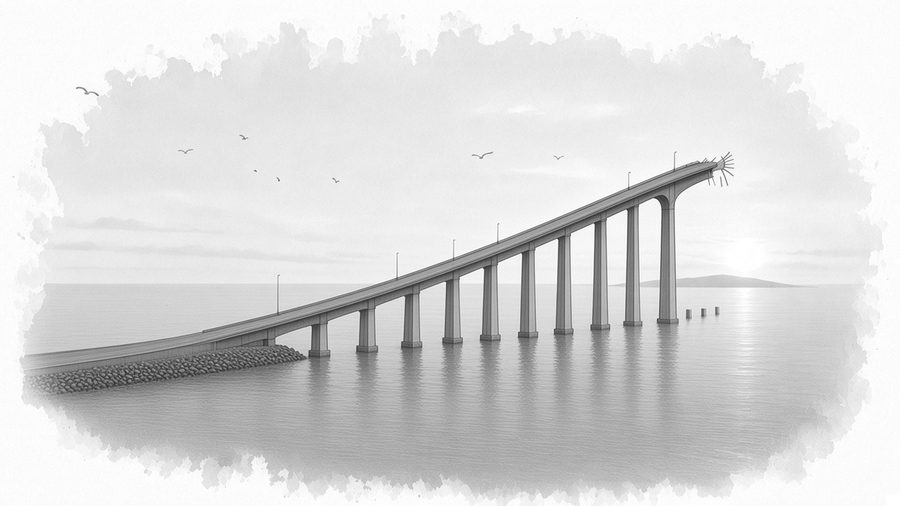
Ren loves Hotaru, a poor seamstress's daughter who loves the cars with all her heart and dreams with him of a life the regime will never allow. Every year the two of them stand hand in hand at the end of the broken bridge and dream of one day driving across together.
Once a year the regime stages the Wangan, a vast high-speed loop of Tokyo that ends in five dead-flat miles beside that same bridge. This year, the Bayshore is about to remember what it lost.
A love story told in engine notes, moonlight and memory, about the cars and the men who kept them, and the girl who is the light of the Kaneda house.
The garage
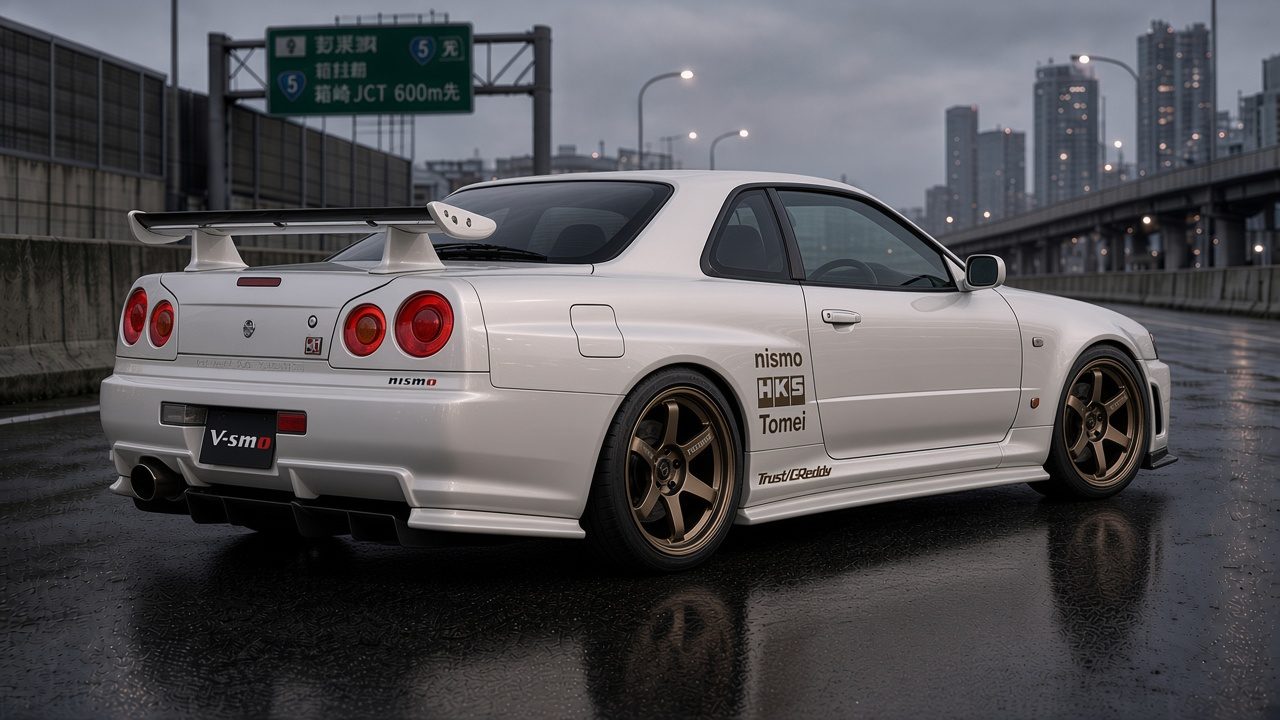
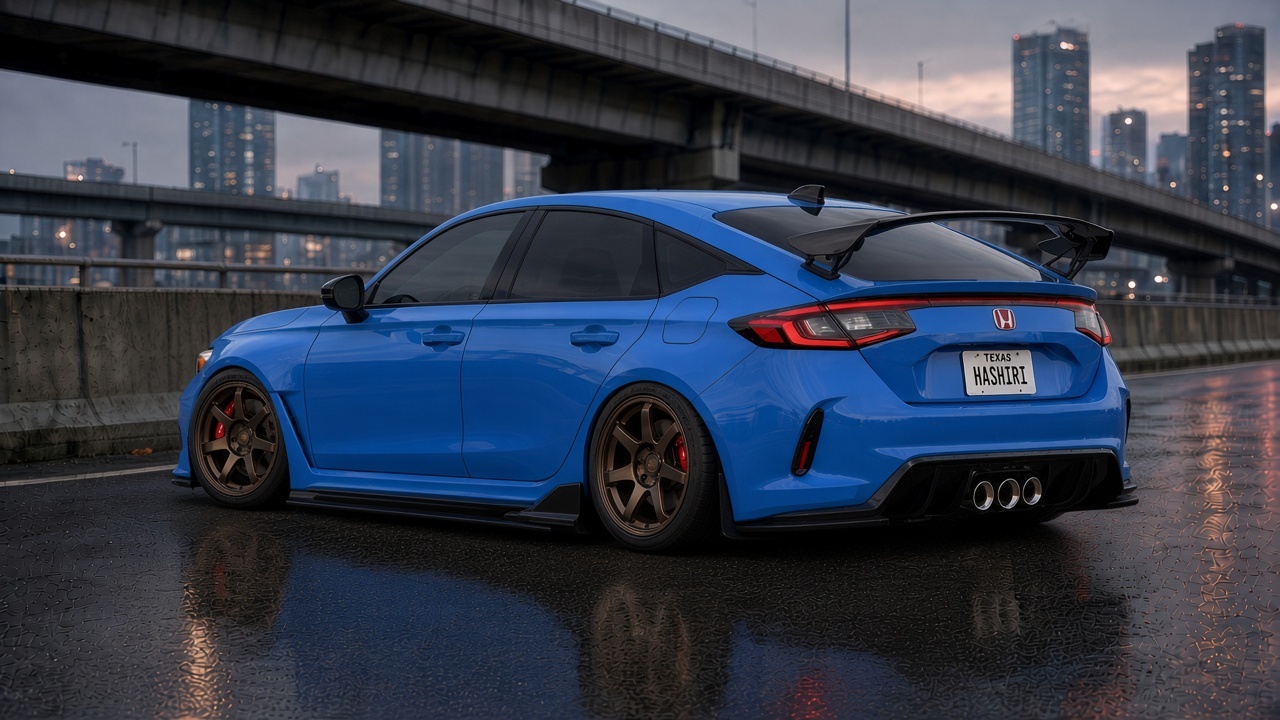
Three cars. Three spec sheets.
The silver legend, the white shadow, and the author's own Type R.
From the book
Drawings from the chapters
Film, TV and screen rights
Requiem for a Phoenix is available for licensing, both the story and a screenplay. Producers, studios and agents are welcome to get in touch through the contact form.
Readers
Join the discussion
Talk about the book, the cars and the Wangan with other readers and the authors.